Radiology,
with precision and care
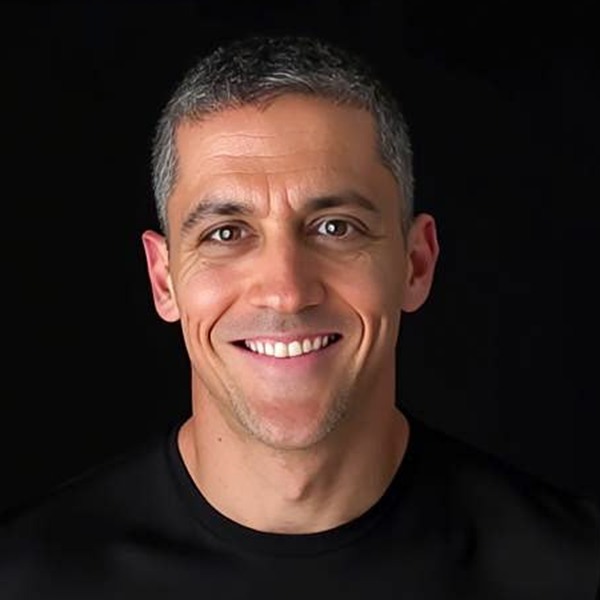
Board certified by the Brazilian College of Radiology (CBR), graduated from UFSC, with residency and further specialisation in France — in Montpellier and Paris.
Precise diagnosis,
attentive care
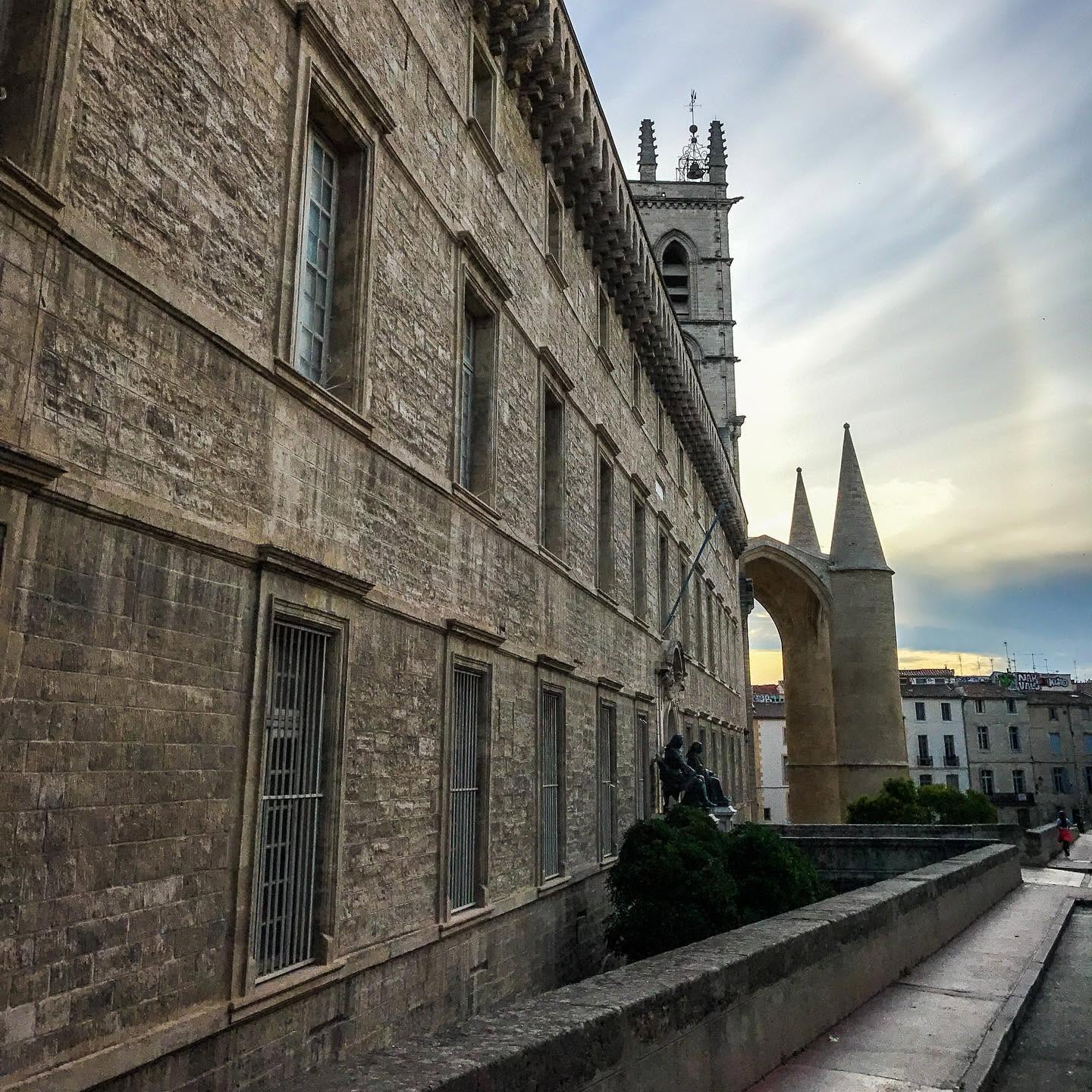
Dr. Ricardo practises in Florianópolis, focusing on Diagnostic and Interventional Radiology — combining the reading of imaging studies with minimally invasive image-guided procedures. He graduated in Medicine from the Federal University of Santa Catarina (UFSC) and trained in France: a medical residency in Radiology at the Université de Montpellier and a specialisation in Interventional Radiology at the Collège de Radiologie Interventionnelle de Paris. He is board certified by the Brazilian College of Radiology (CBR).
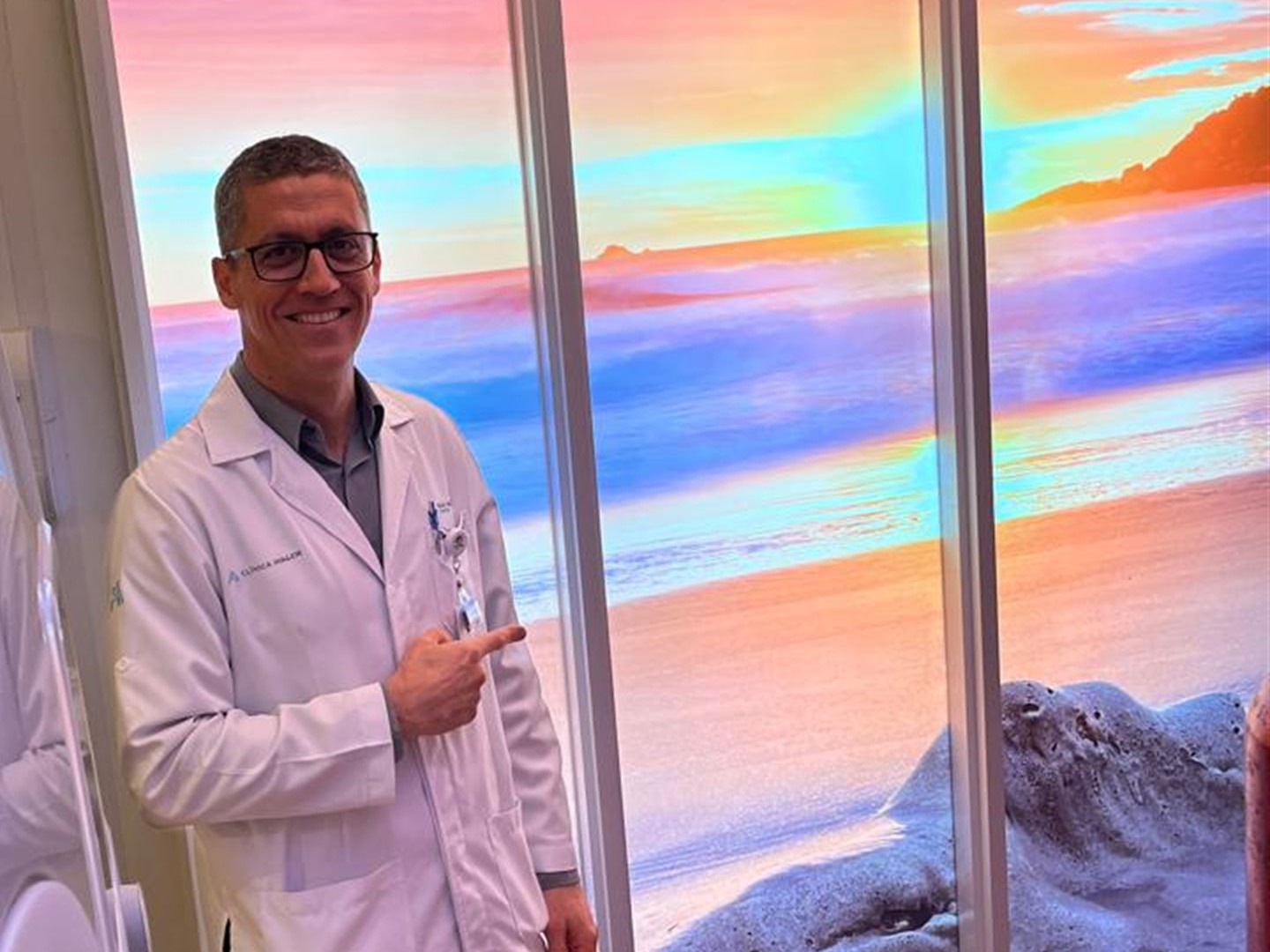
In the examination room at Clínica Imagem — the backlit panel behind him is one of his own photographs.
Academic background
How I can help
Diagnostic Radiology
Reading of imaging studies — ultrasound, computed tomography and magnetic resonance imaging — to support accurate clinical diagnosis.
Interventional Radiology
Minimally invasive image-guided procedures, bringing diagnosis and treatment together with shorter recovery times.
Image-guided treatments
Minimally invasive procedures performed with fine needles and catheters, positioned precisely using ultrasound, CT or MRI — with no surgical incisions and, in most cases, under local anaesthesia.
Drainage
Percutaneous drainage removes fluid collections from inside the body — abscesses, effusions and post-operative collections — through a fine catheter inserted through the skin. The path is planned and followed in real time with ultrasound or CT, making it possible to reach the collection while avoiding vessels and organs.
It is usually done under local anaesthesia with light sedation. Symptom relief is generally rapid and, in many cases, it avoids more extensive surgery.
- Abdominal and pelvic abscesses
- Pleural effusion and empyema
- Post-operative collections
- Large-volume ascites
- Obstructed gallbladder (cholecystostomy)
- Obstructed kidney (nephrostomy)
Biopsies
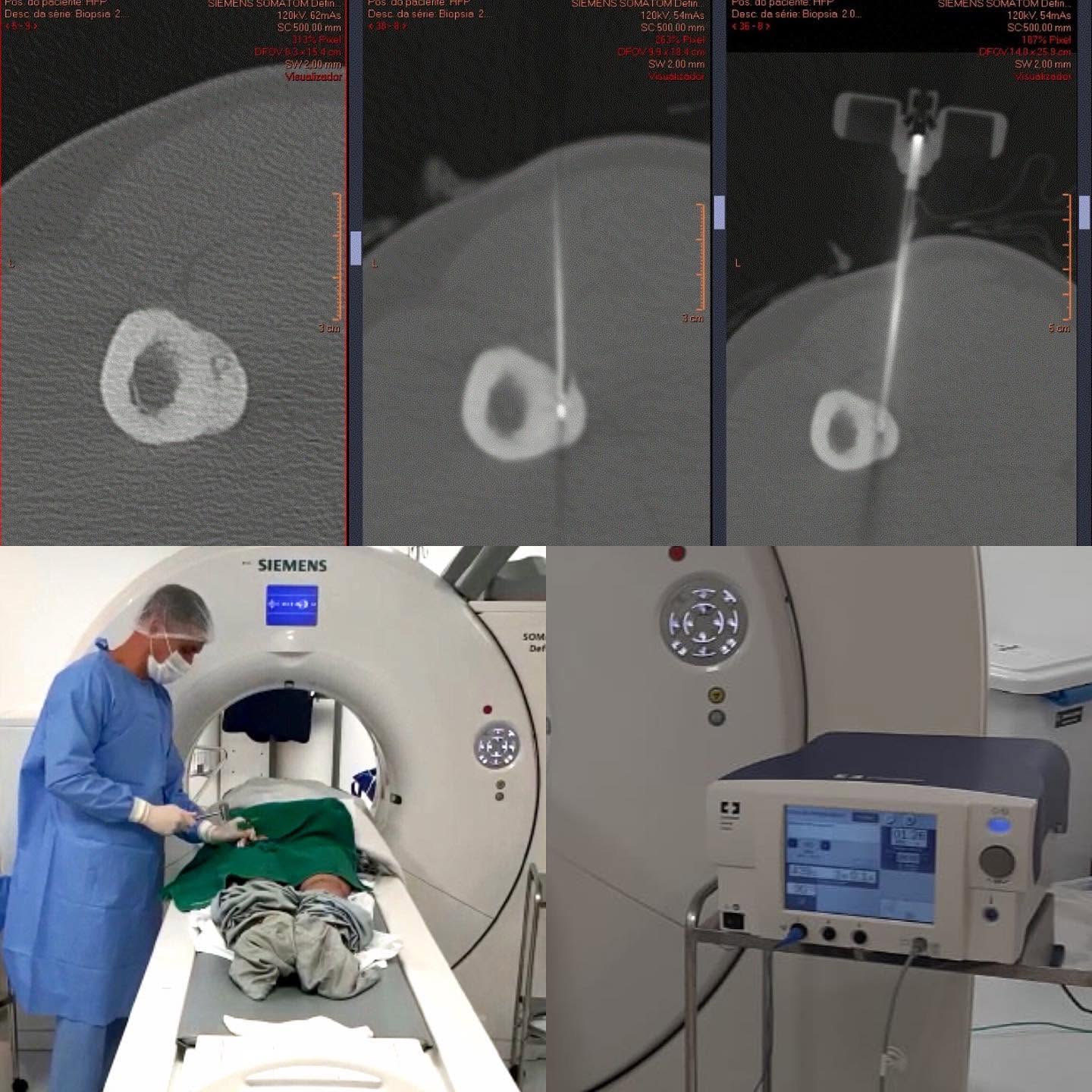
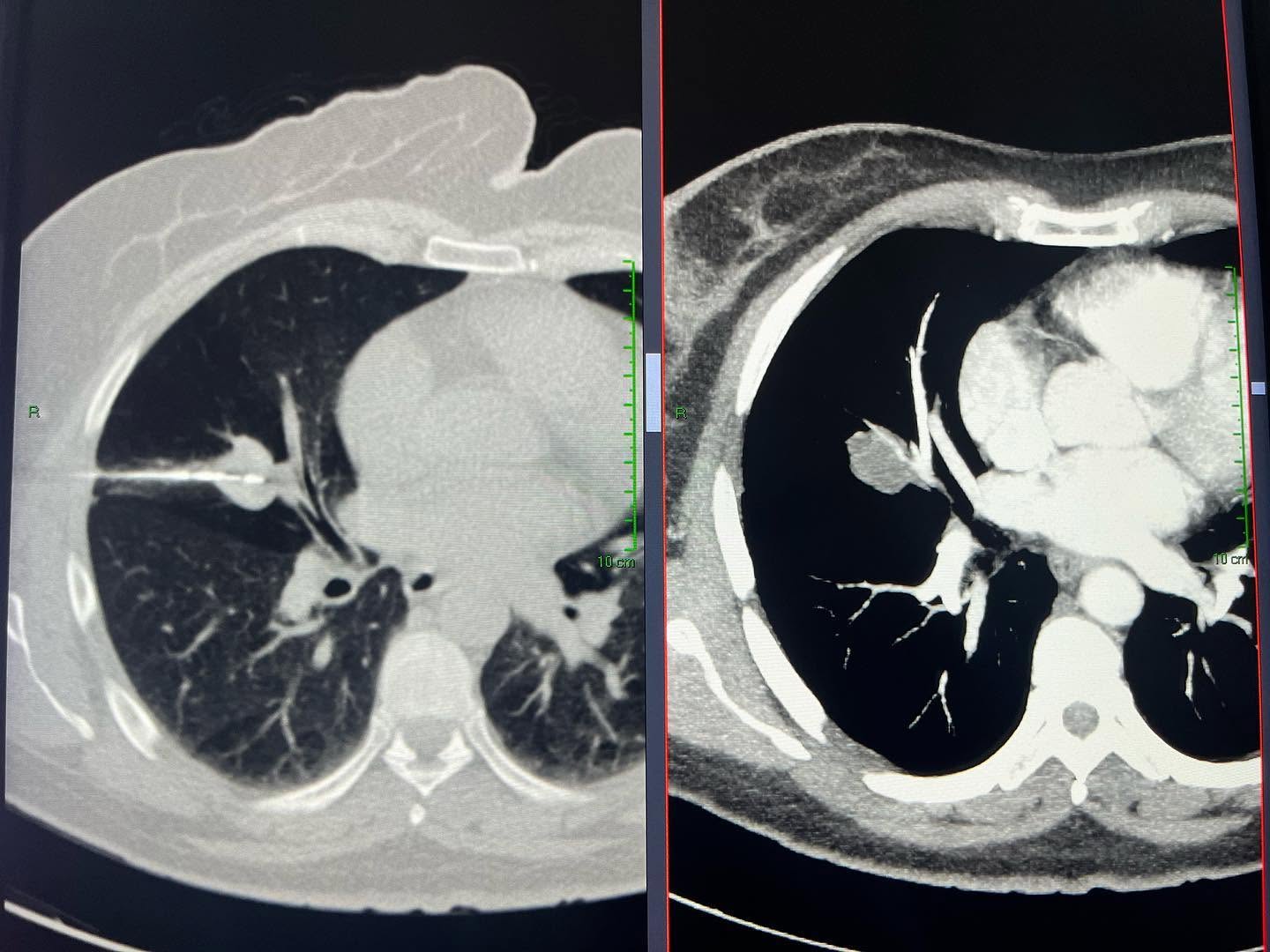
An image-guided biopsy takes a small tissue sample for laboratory analysis. The needle is guided to the lesion under direct ultrasound, CT or MRI vision, which makes it possible to reach deep, millimetre-sized targets through a minimal puncture.
In most cases it is an outpatient procedure under local anaesthesia, with same-day discharge. It is the test that confirms the diagnosis and guides treatment — often sparing surgery performed solely to obtain tissue.
- Lung and mediastinum
- Liver
- Kidneys and retroperitoneum
- Thyroid
- Lymph nodes
- Bone and soft tissue
Pain blocks
A block consists of delivering anaesthetic and anti-inflammatory medication to a precise point — a nerve root, a joint or a facet of the spine — with the needle positioned using CT or ultrasound. Imaging ensures the medication reaches exactly where the pain originates.
It is an outpatient procedure under local anaesthesia. Besides treating, it has diagnostic value: the response to the block helps confirm which structure is actually causing the pain.
- Disc herniation and sciatica (periradicular therapy)
- Facet joint arthrosis of the spine
- Sacroiliac pain
- Shoulder, hip and knee
- Neuralgia
Tumour ablation
Ablation destroys the tumour in place, without removing it. A needle is positioned inside the lesion under image guidance and applies heat (radiofrequency or microwave) or intense cold (cryoablation) until the diseased tissue is destroyed, preserving as much of the surrounding organ as possible.
In selected cases it is an alternative to surgery, with a short hospital stay and faster recovery. Suitability depends on the type, size and location of the tumour, and is always discussed together with the oncologist and the surgeon.
Primary tumours and lung metastases, particularly in patients who are not fit for surgery or who have a limited number of lesions.
Hepatocellular carcinoma and liver metastases. It can be combined with chemoembolisation and other treatments.
Small kidney tumours, with the advantage of preserving as much renal function as possible.
Osteoid osteoma and painful bone metastases — beyond controlling the lesion, the focus is pain relief.
Two signature techniques
Procedures that are central to his practice in Florianópolis.
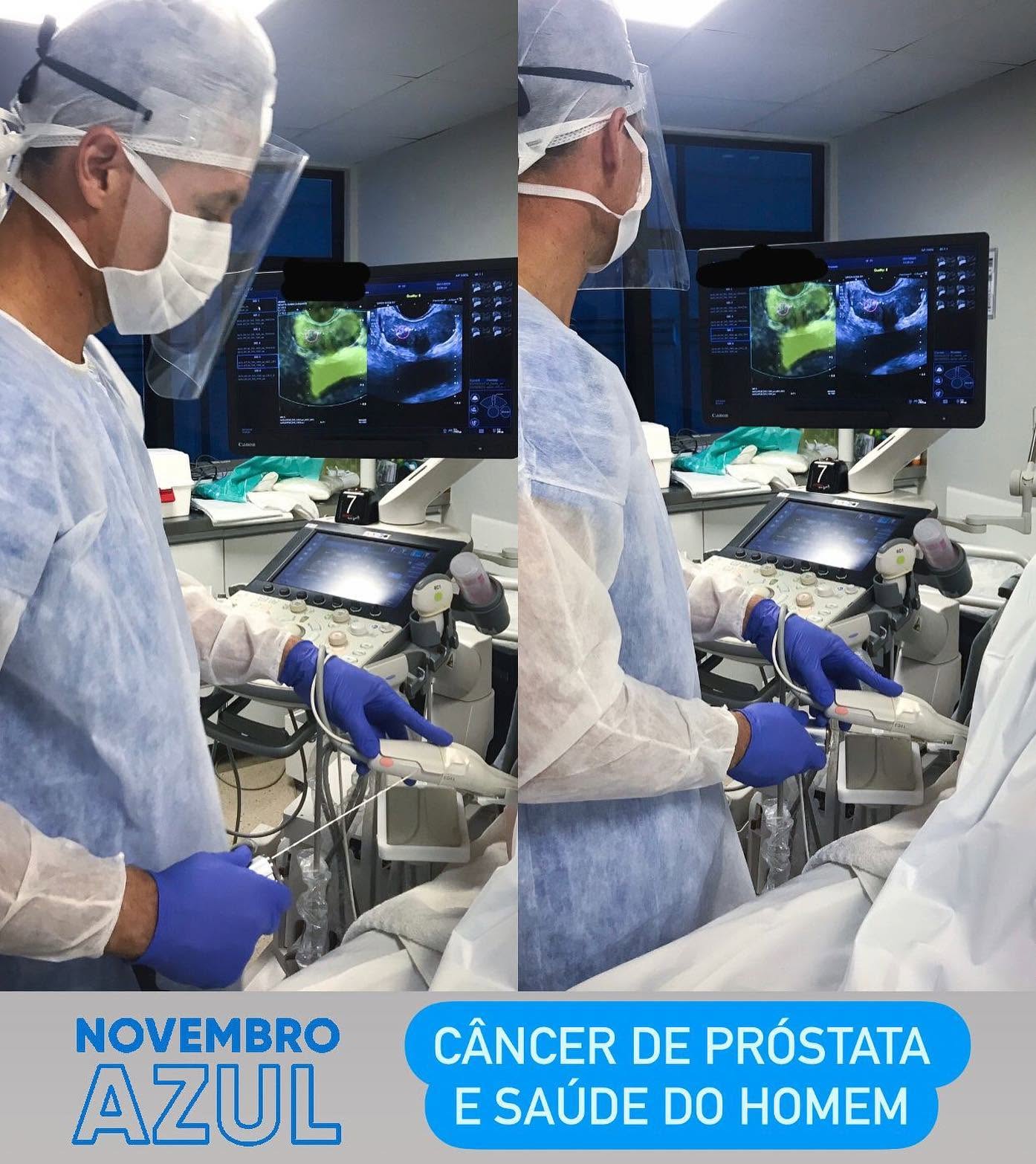
Transperineal prostate biopsy
In this technique the needle enters through the perineum — the skin between the scrotum and the anus — instead of crossing the rectal wall. Because it does not pass through the bowel, the risk of urinary infection and sepsis drops substantially.
- Much lower risk of serious infection
- Better access to the anterior prostate, where tumours are often missed by the transrectal route
- Can be combined with MRI fusion, which maps suspicious areas beforehand
Liver elastography
Elastography measures liver stiffness with ultrasound, without a needle and without admission. Since fibrosis stiffens the tissue, the test estimates how far the organ is affected and tracks how this changes over time.
- Non-invasive, in a few minutes
- In many cases it replaces biopsy for staging fibrosis
- Useful in chronic hepatitis, fatty liver disease and in following up patients already under treatment
Whether any of these procedures is appropriate depends on an individual assessment, reviewing each patient's imaging and medical history.
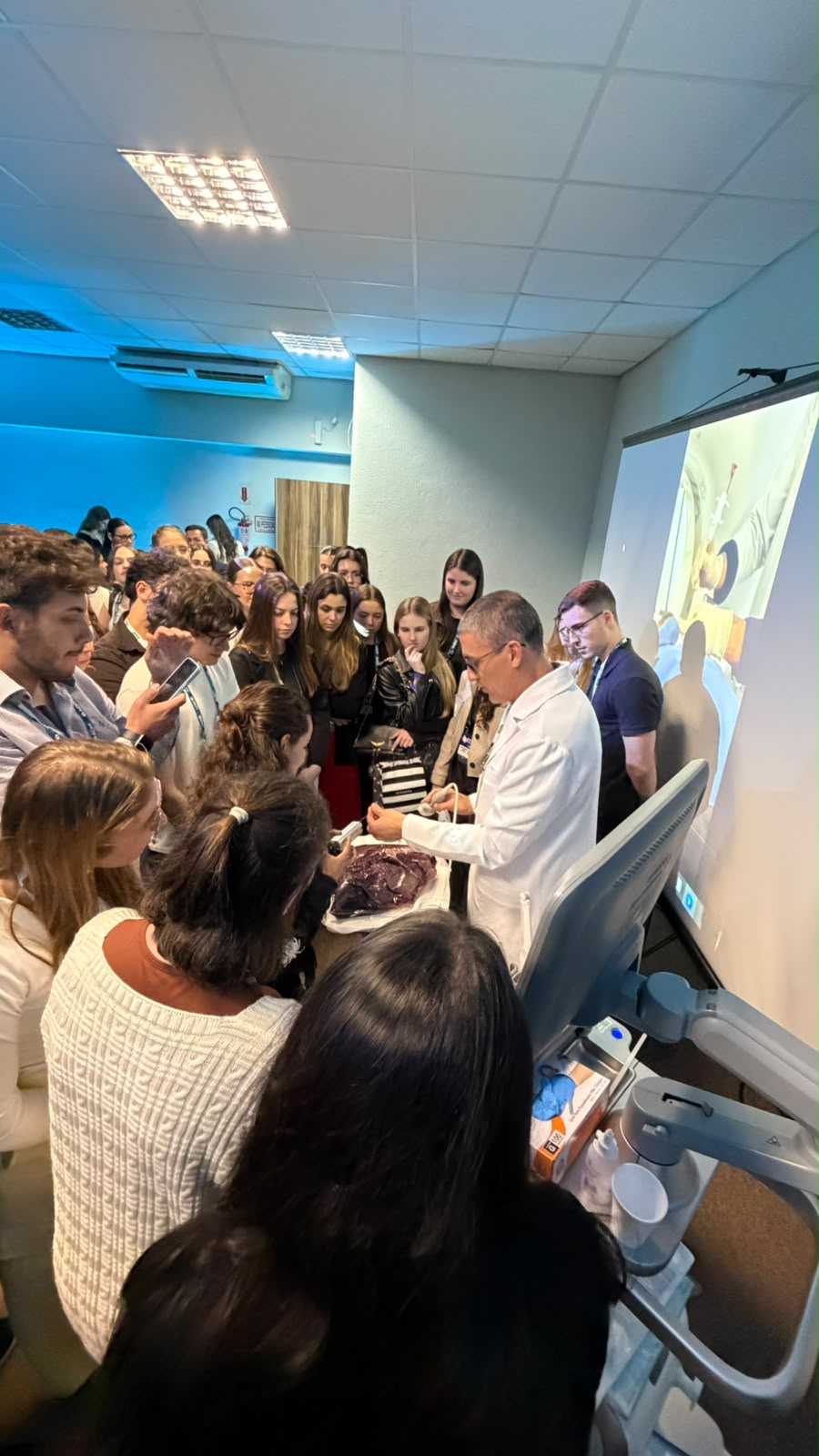
A day in radiology
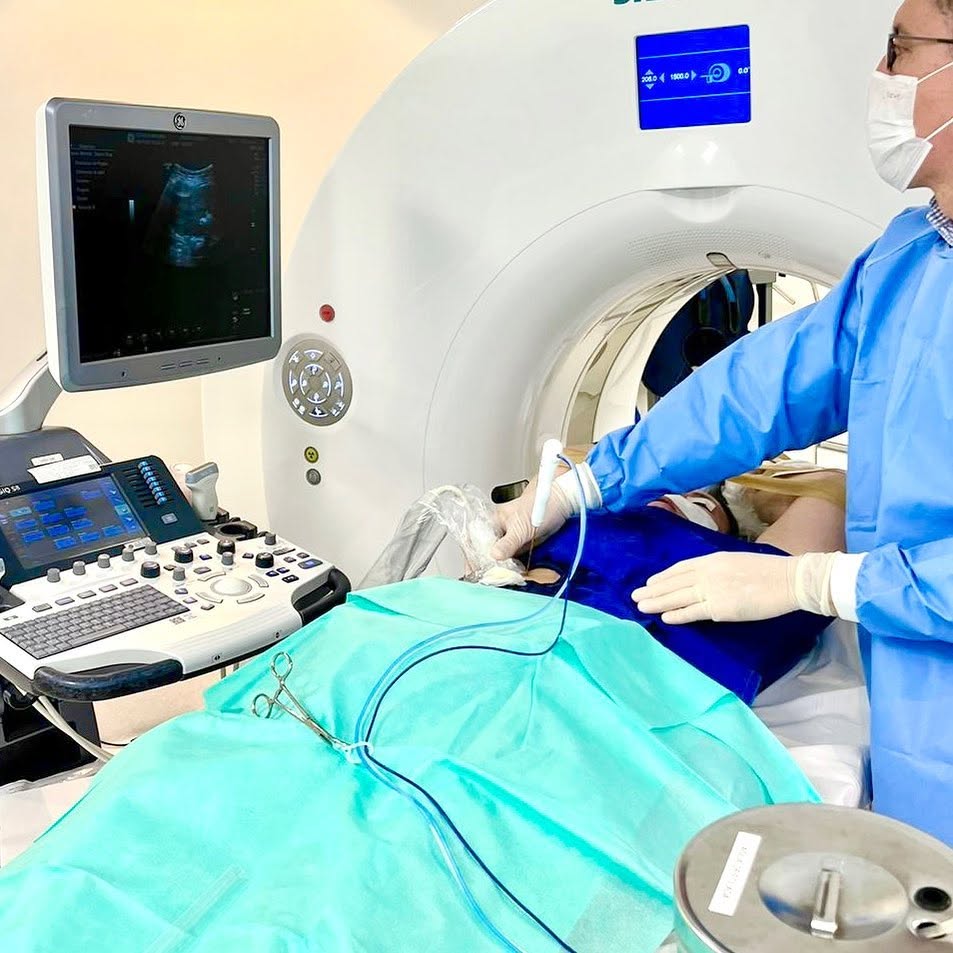
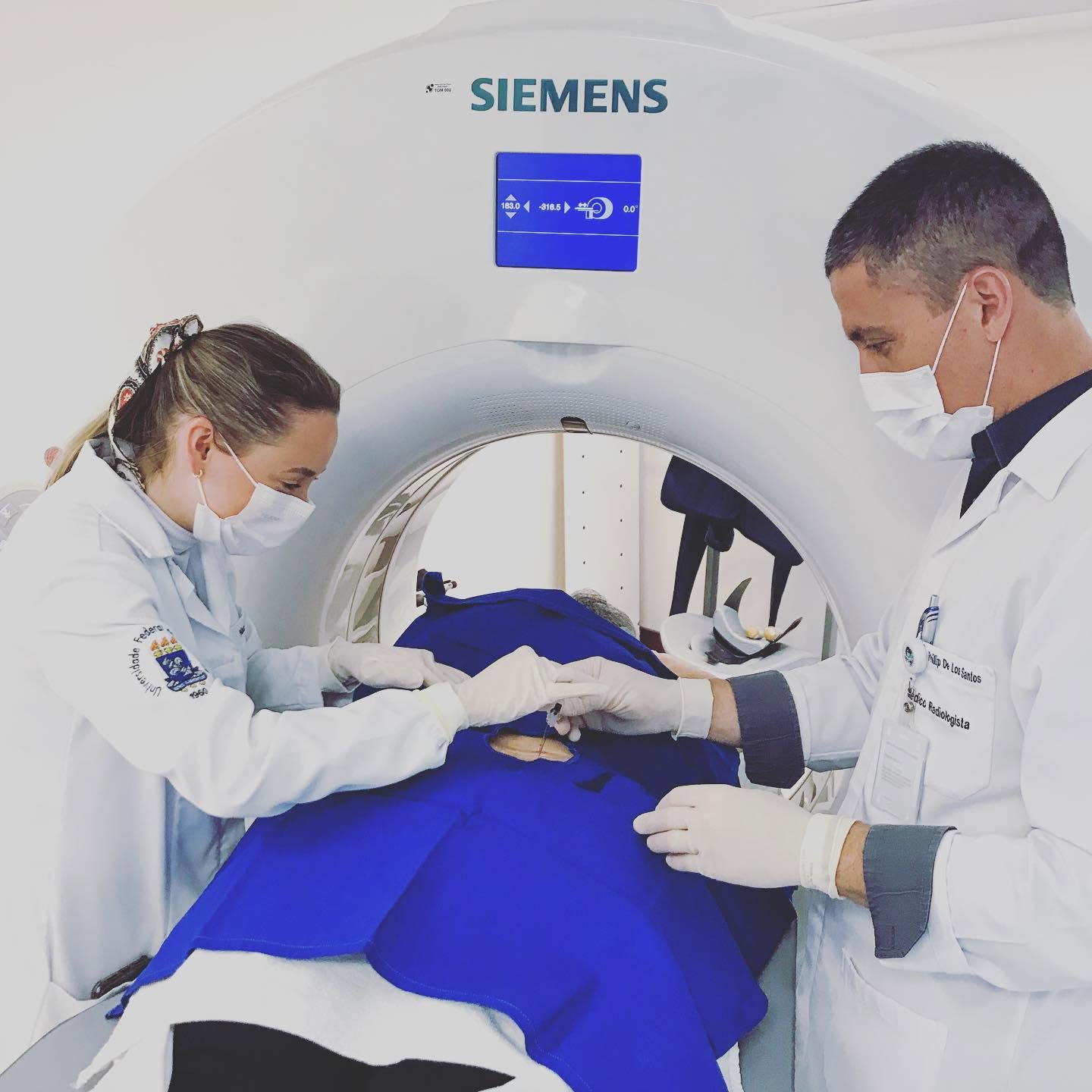
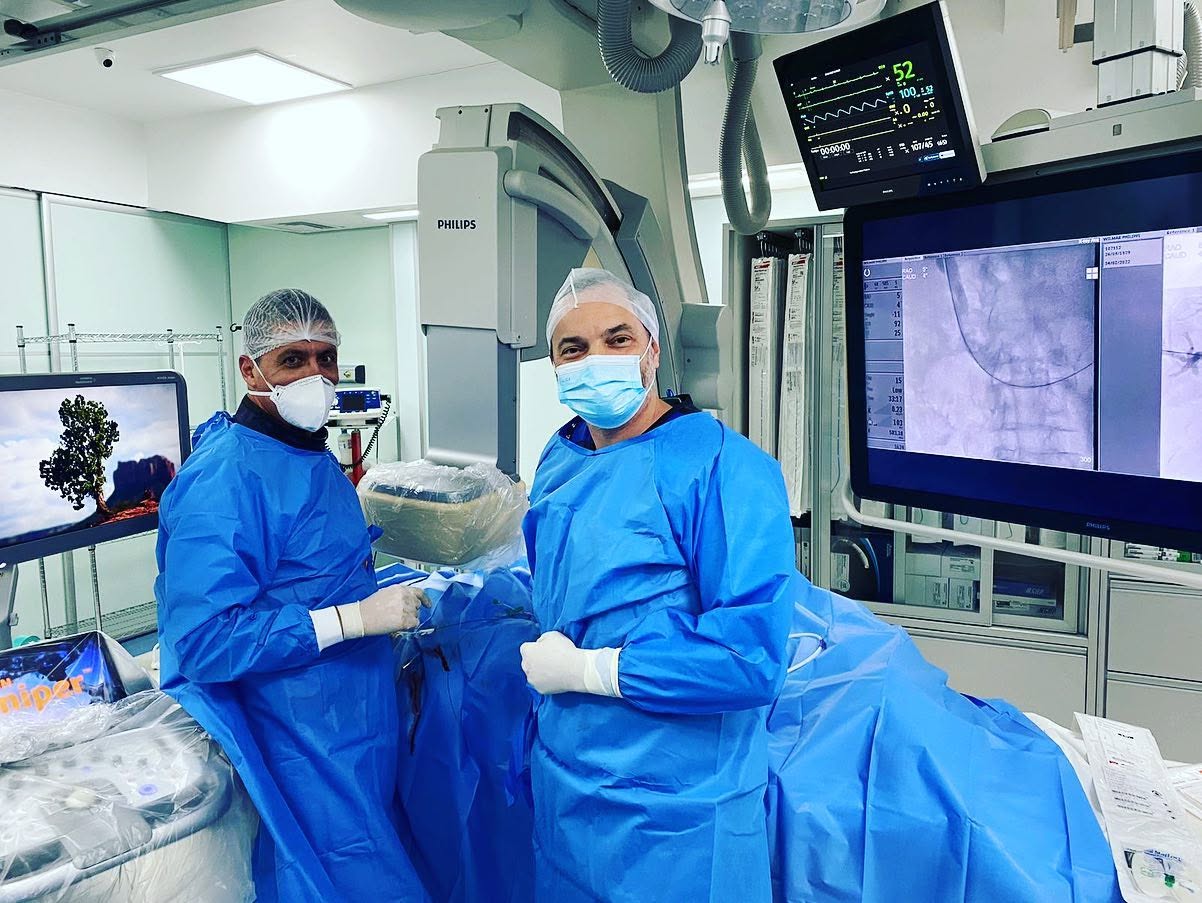
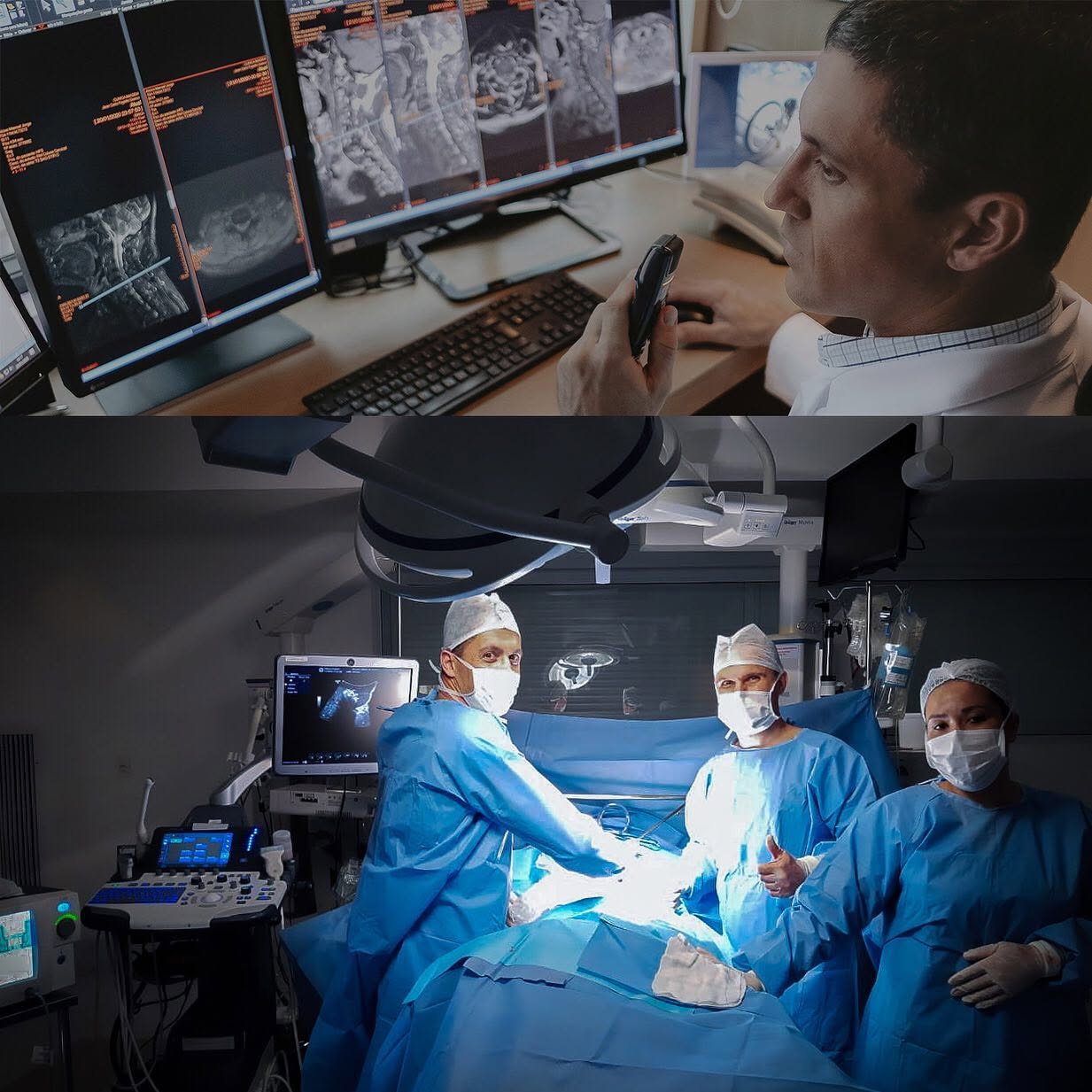
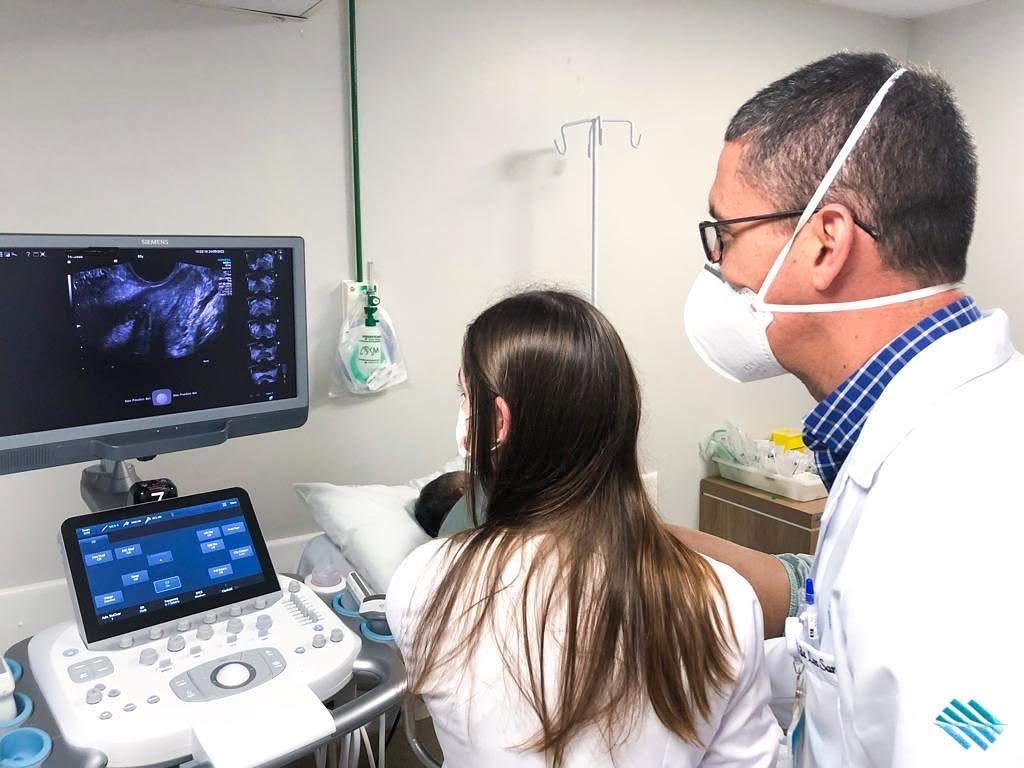
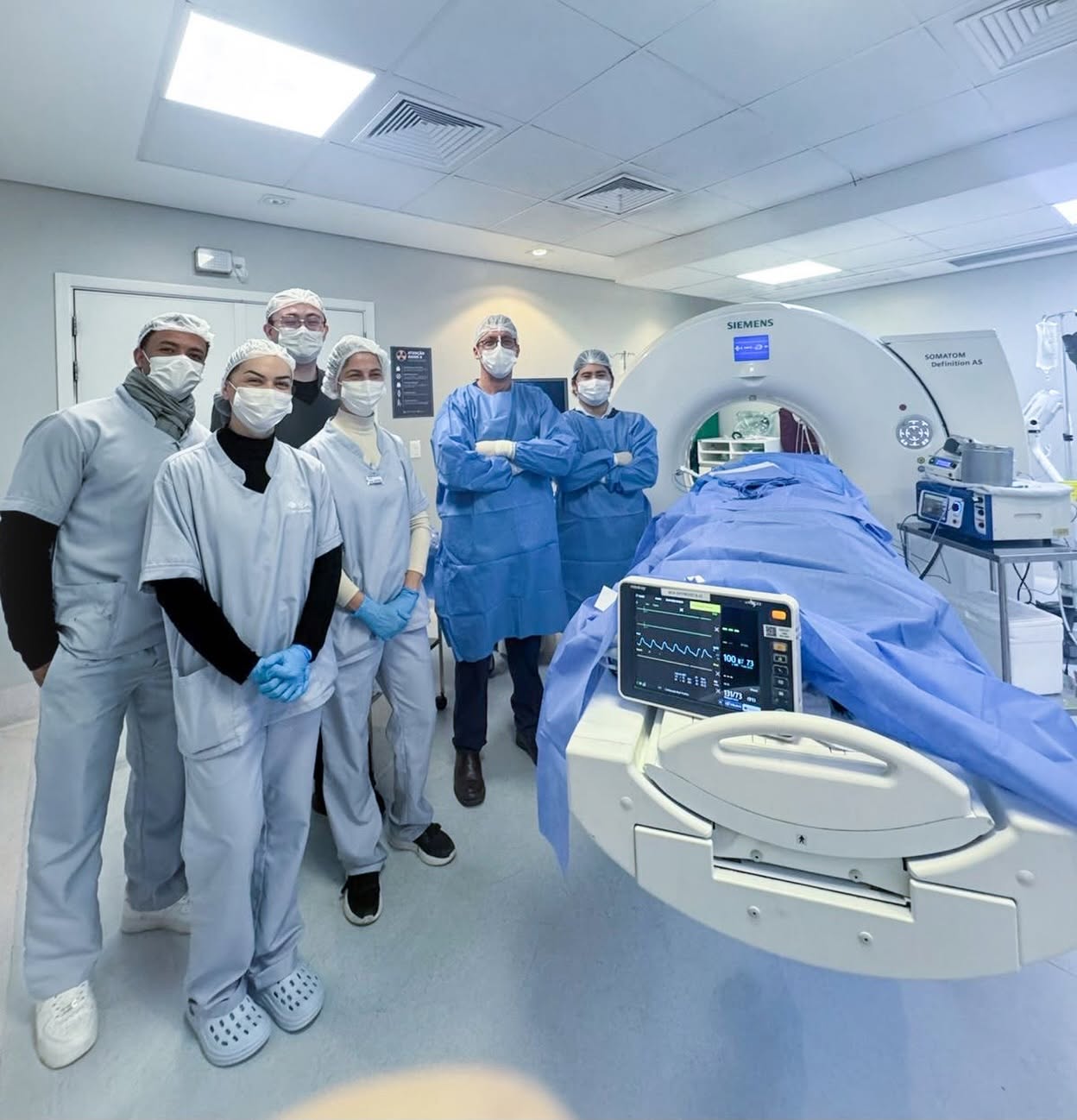
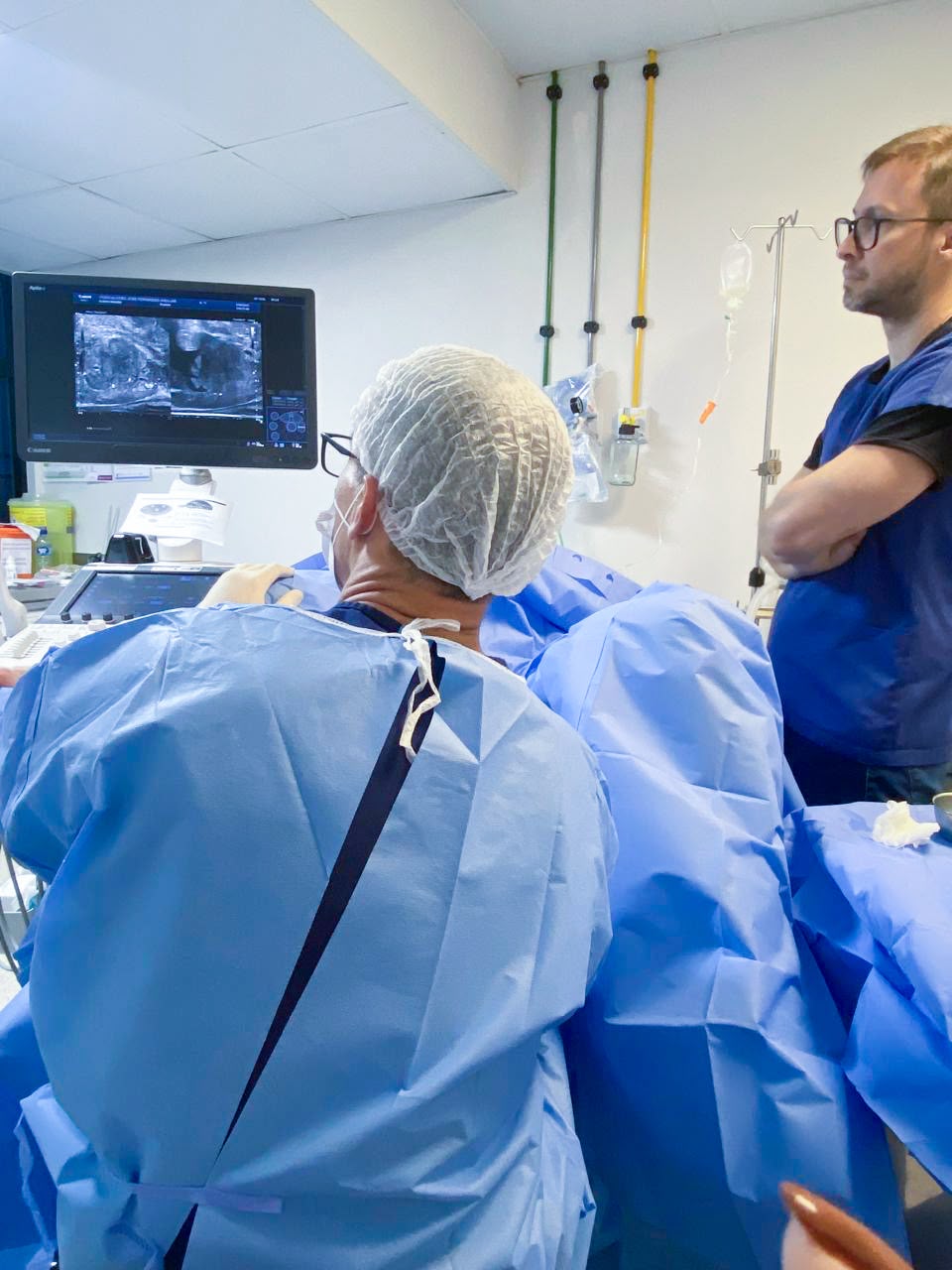
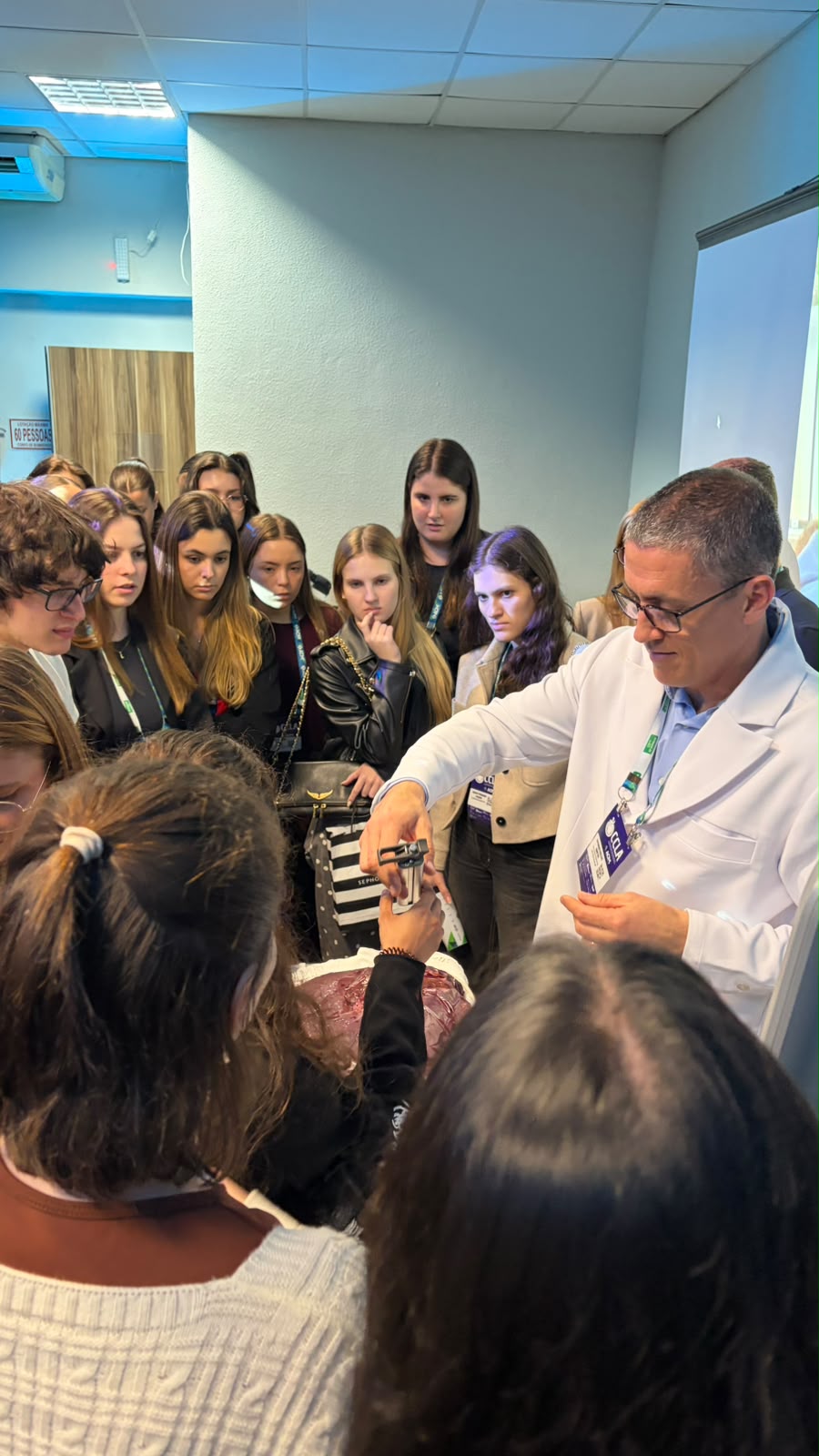
Image-guided procedures, CT and MRI suites, hands-on teaching with students, and the team that makes every examination possible.
What patients say
Highlights his technical command and the attentive way he and the team guide the patient through the procedure.
Reports faultless care and professionalism during periradicular therapy, with attentiveness that eased the anxiety of the procedure.
Describes an attentive, calm and smiling doctor who conveys reassurance during a lung biopsy.
Notes that the procedure was simpler than expected, with an attentive and reassuring doctor, during a liver biopsy.
Praises an attentive, helpful doctor who is well liked by his patients.
Hobbies
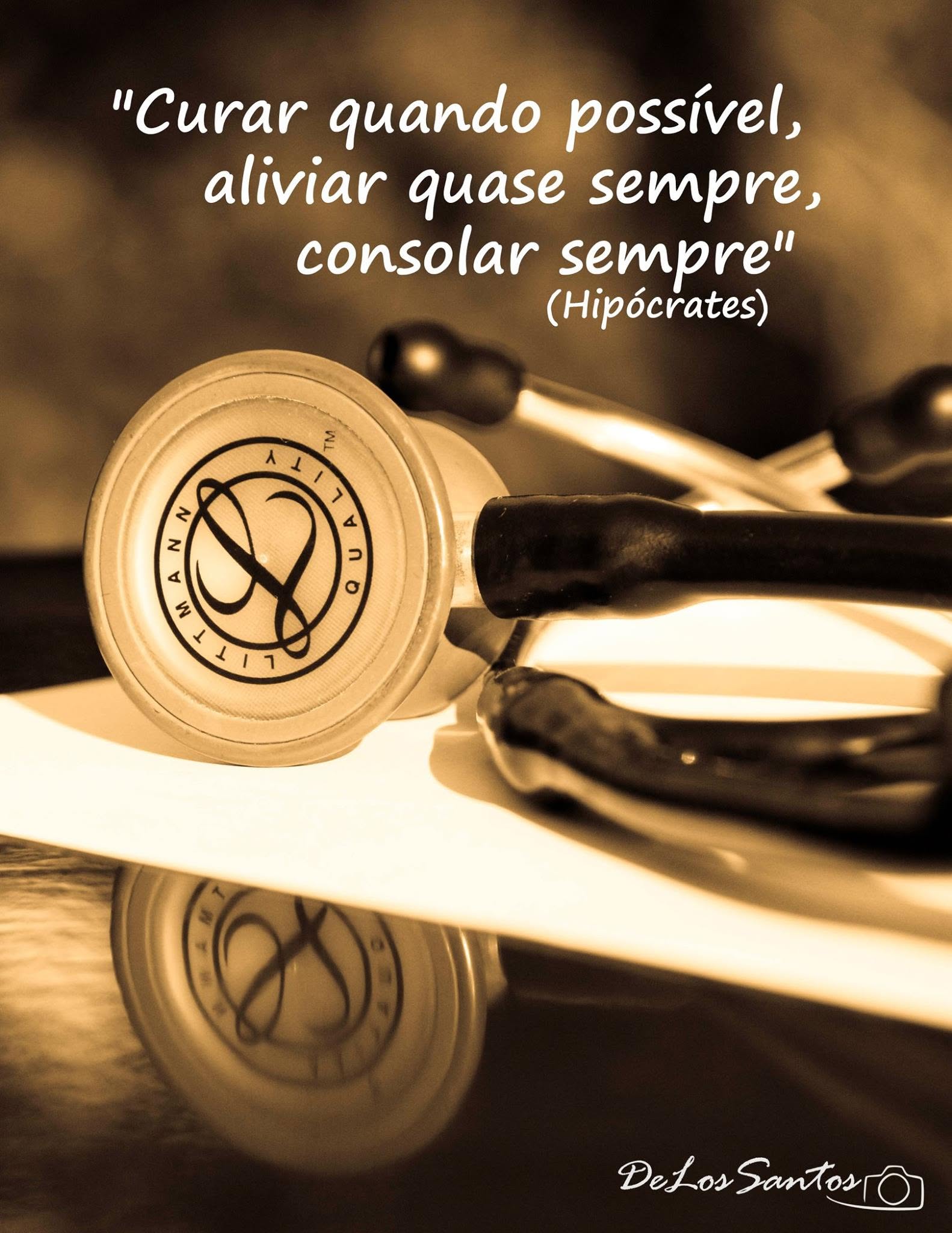
Photography is a passion that also shapes the way he looks at his patients — a few of the images he shares on Instagram.
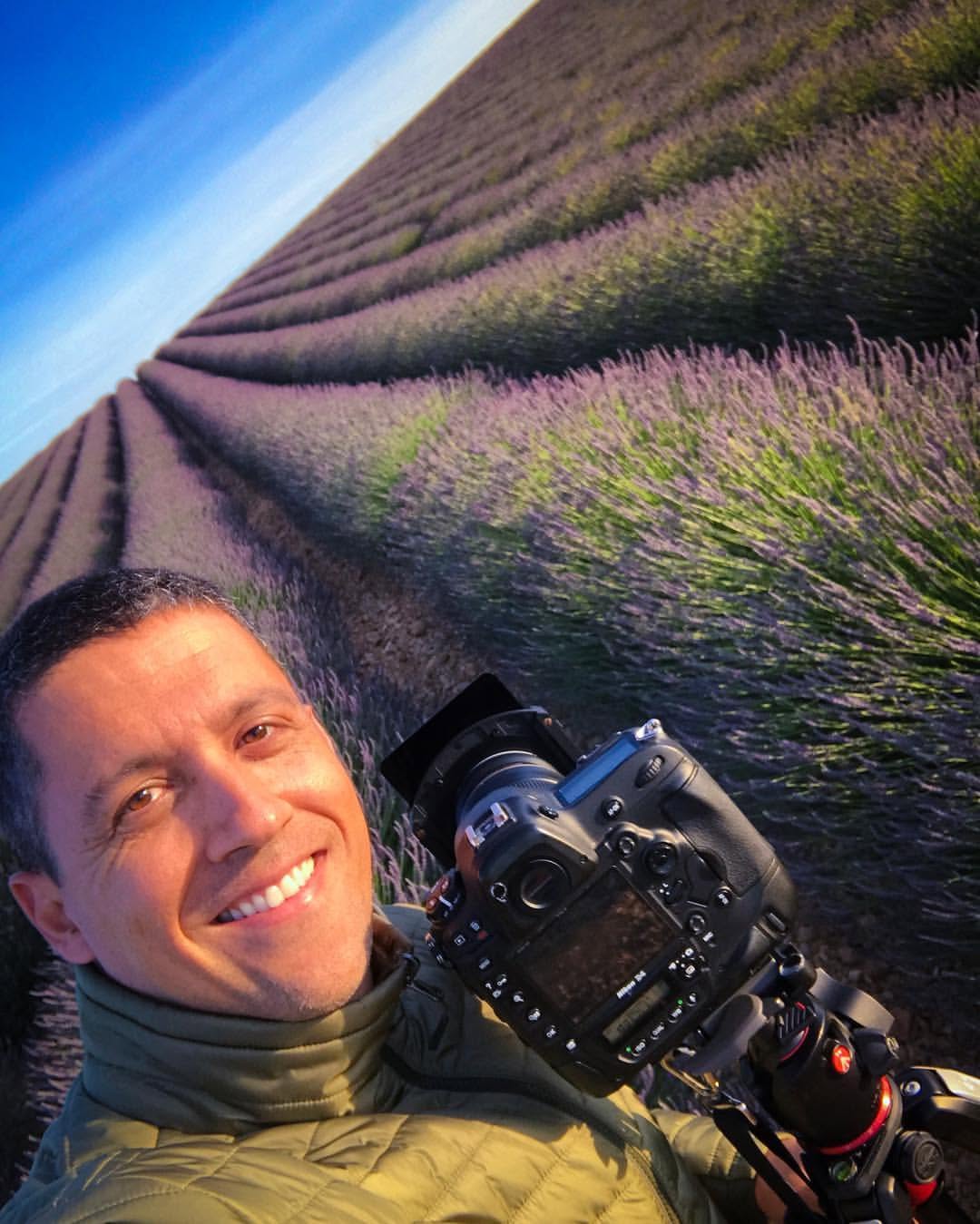



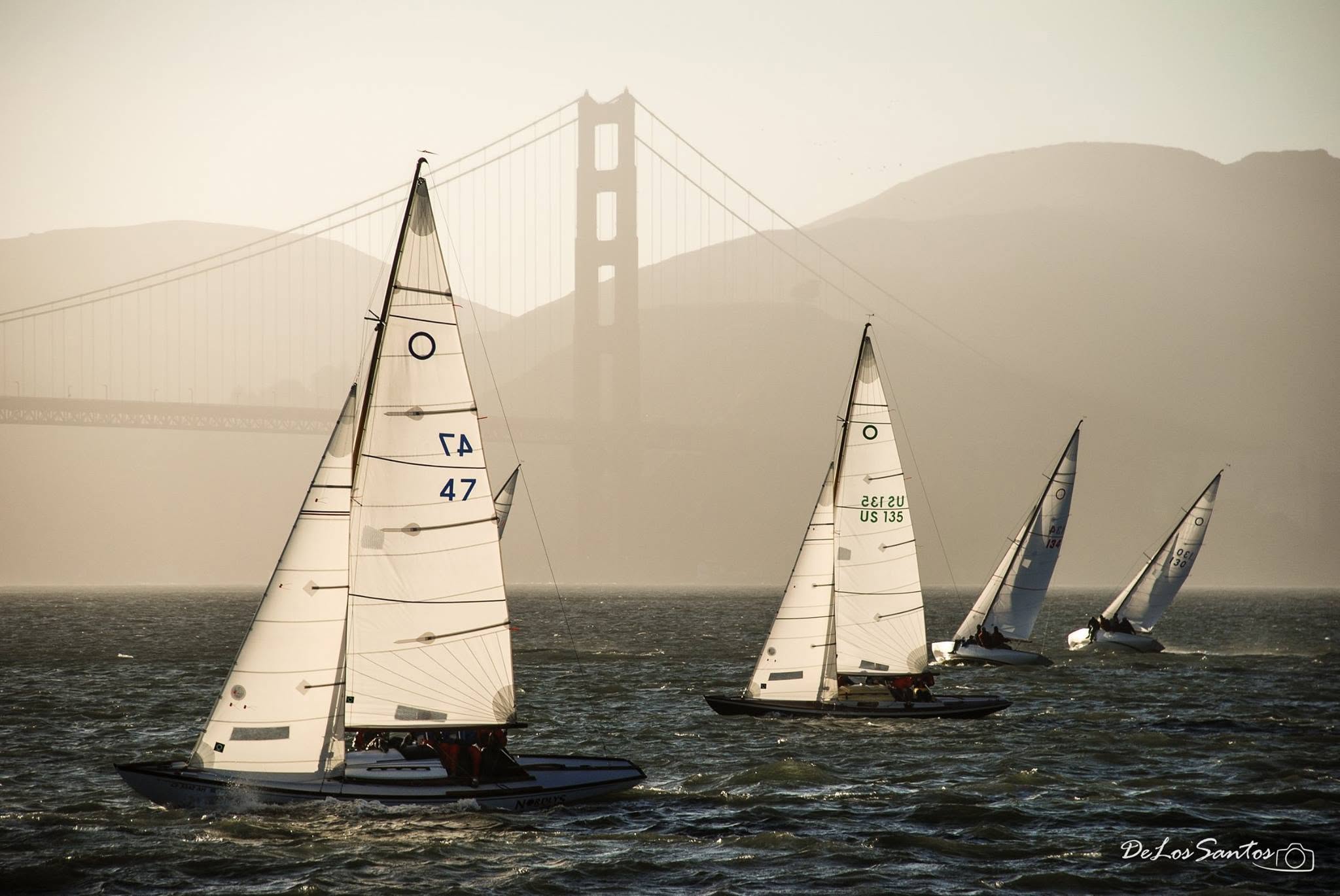

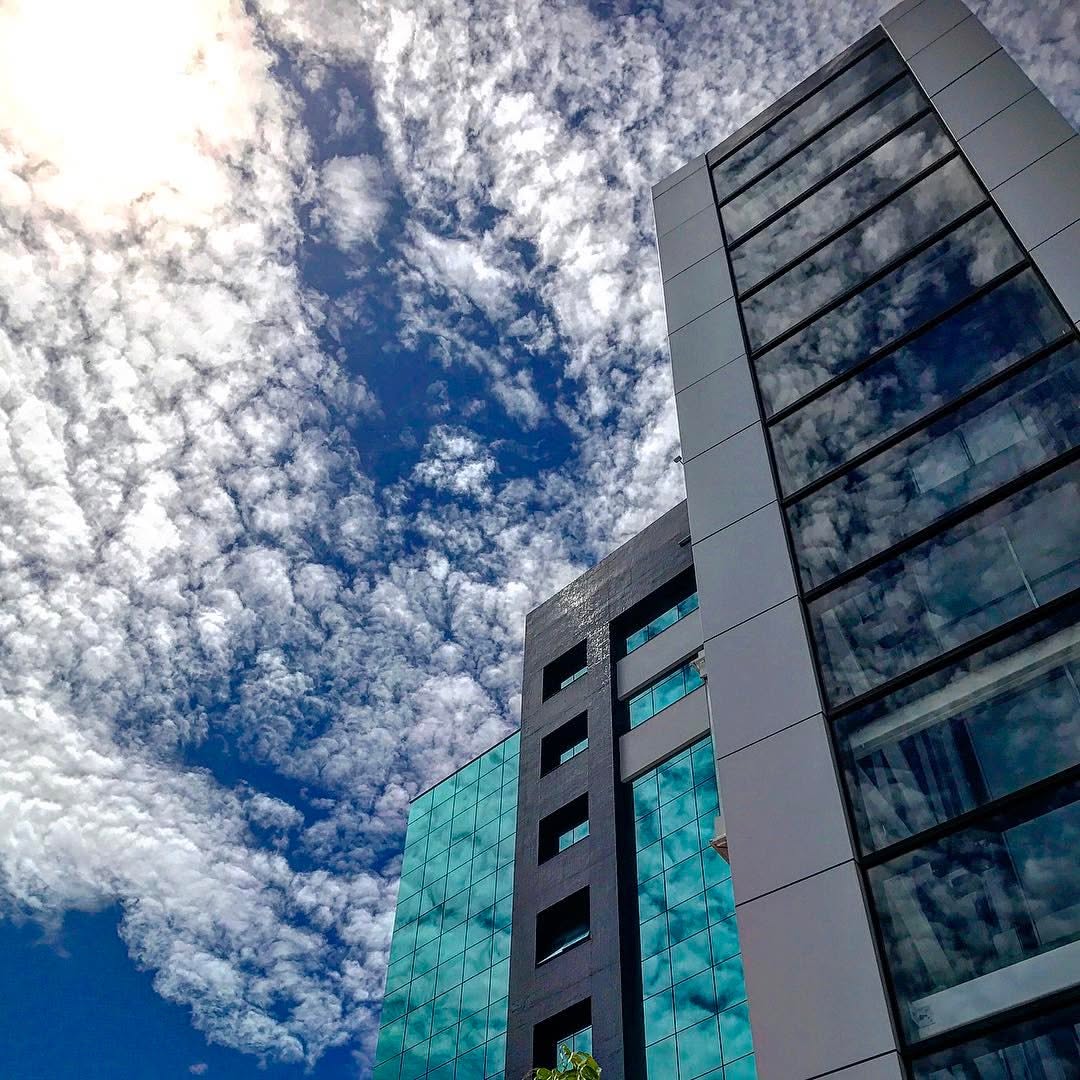
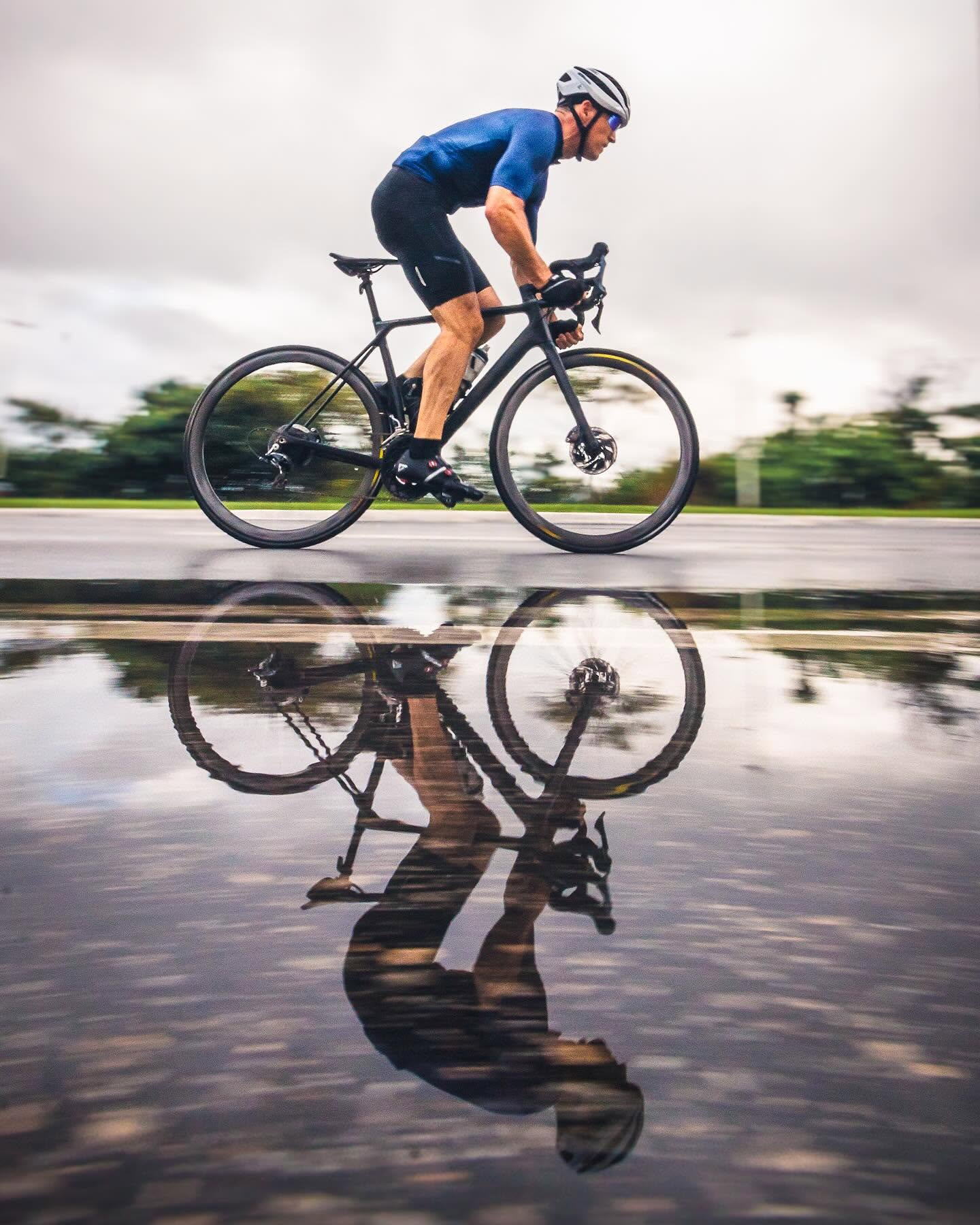
In his free time, cycling shares the space with photography. The bike has become part of the routine — discipline, consistency and time in motion — and the roads of Florianópolis are the setting for nearly every ride.
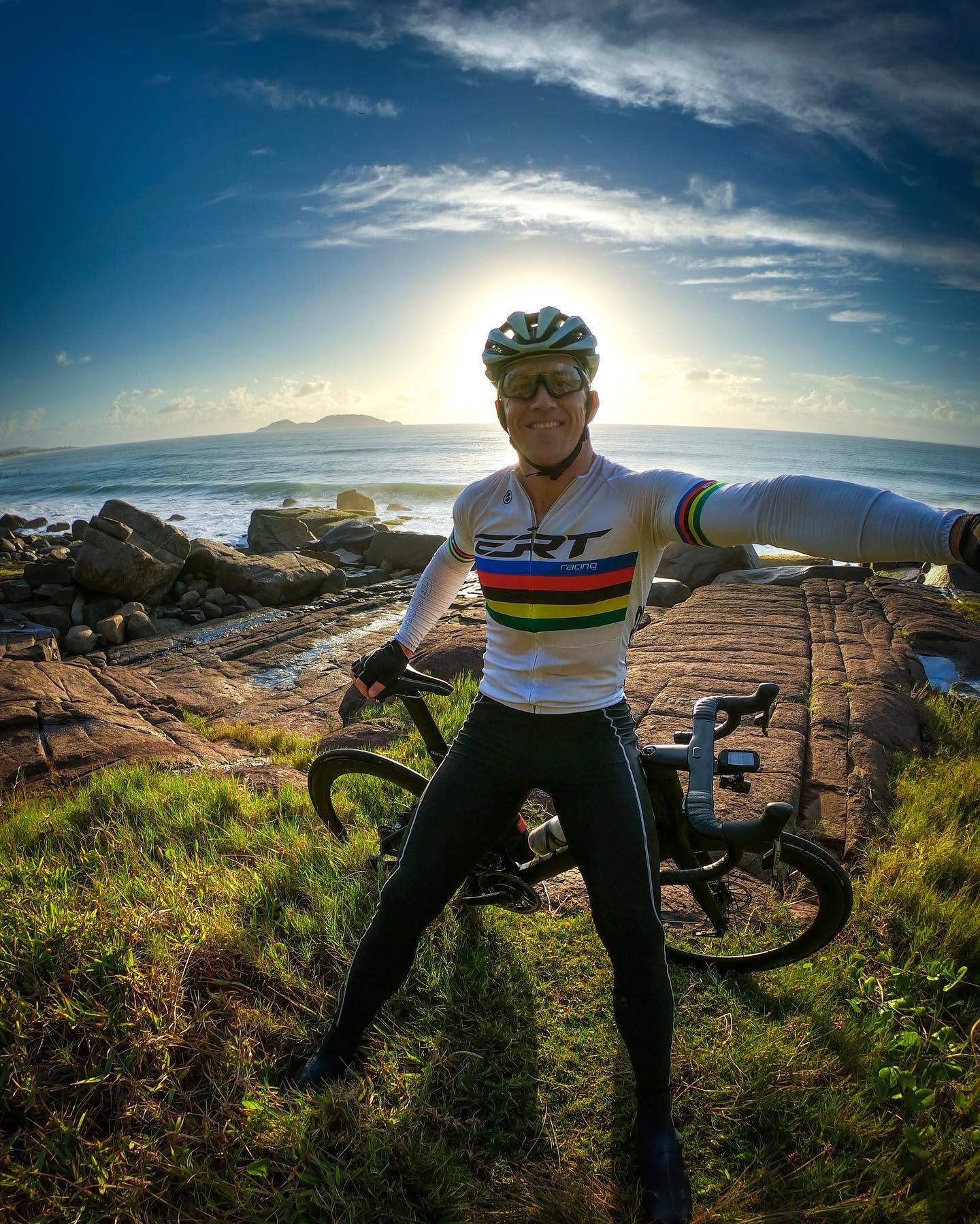
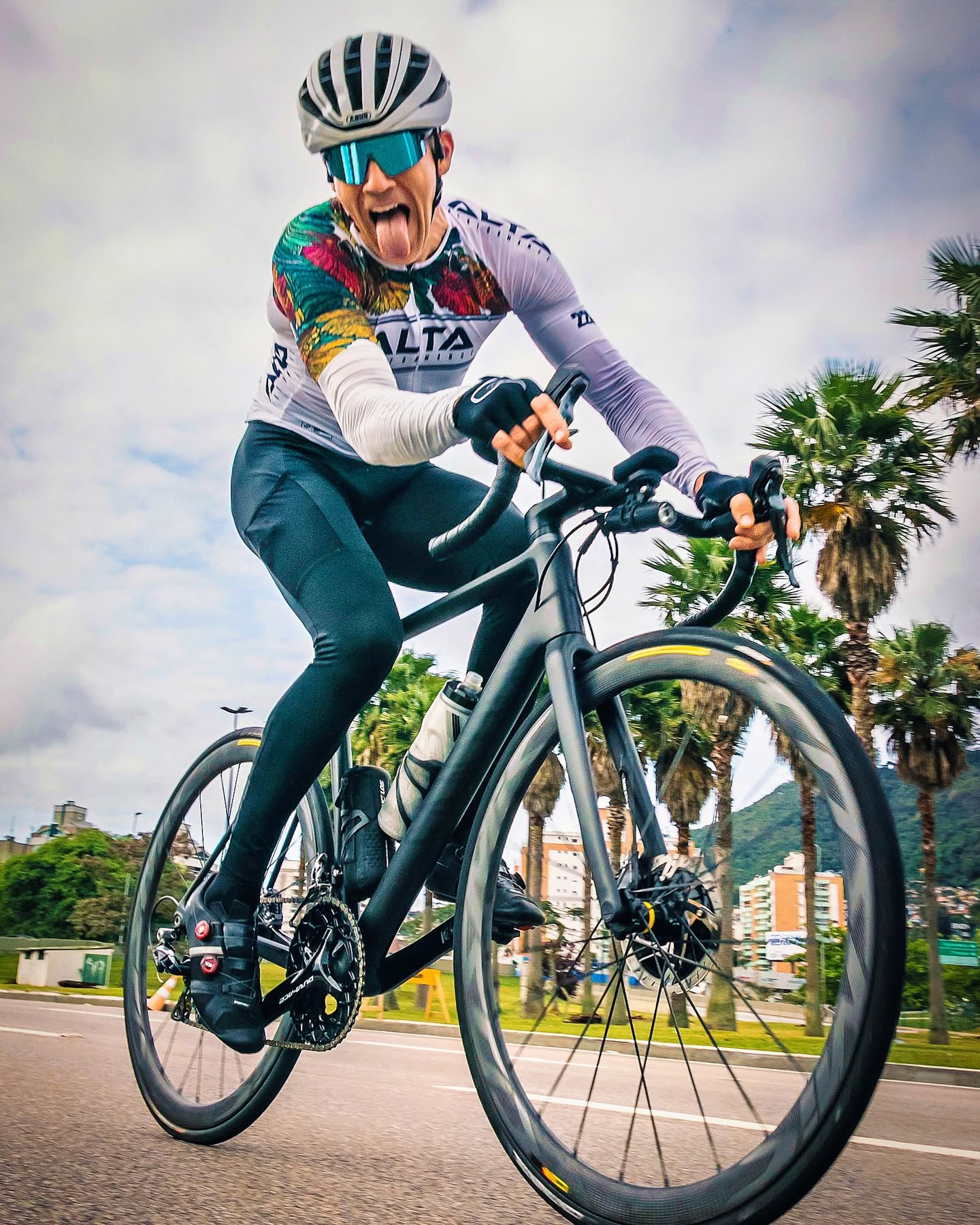
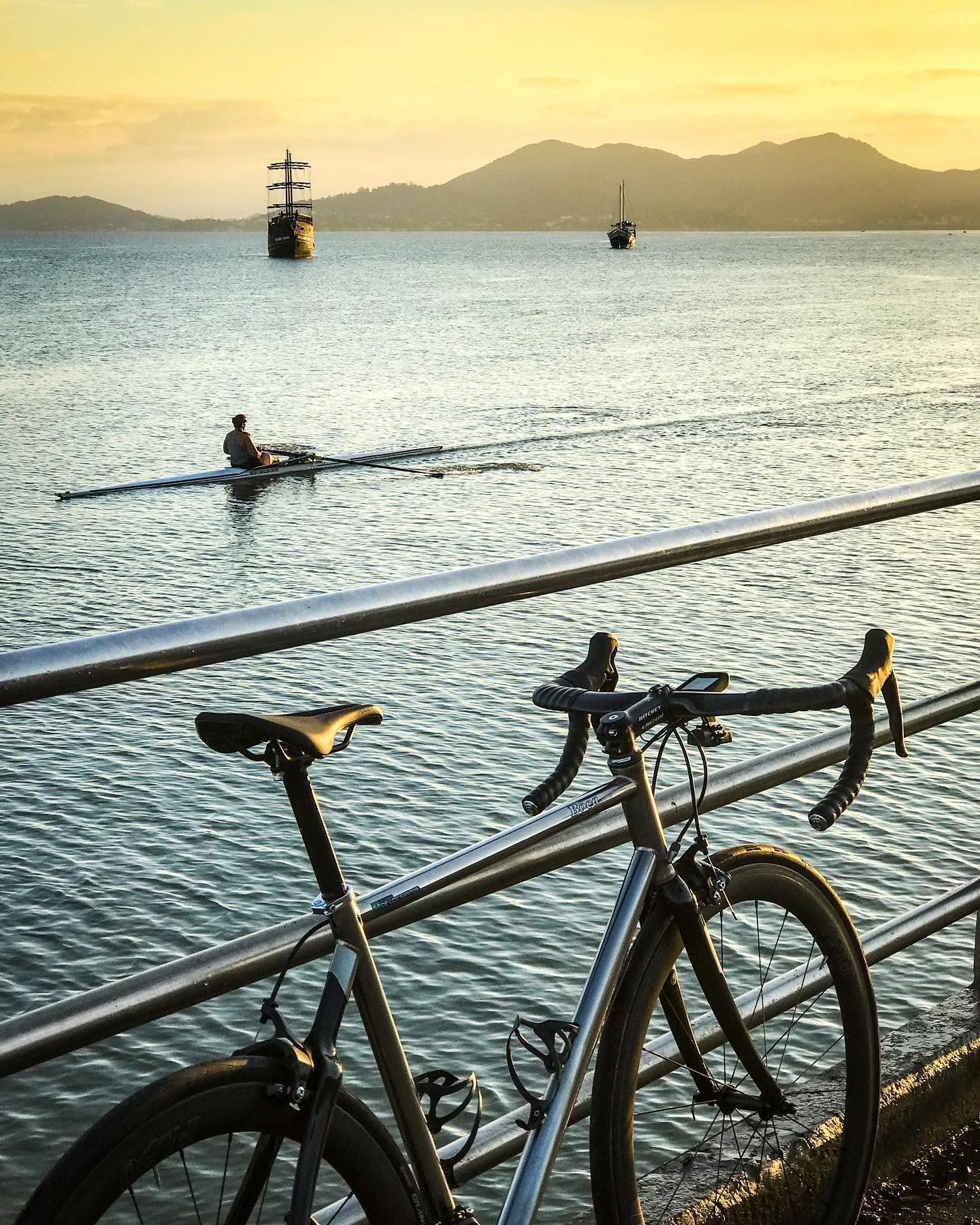
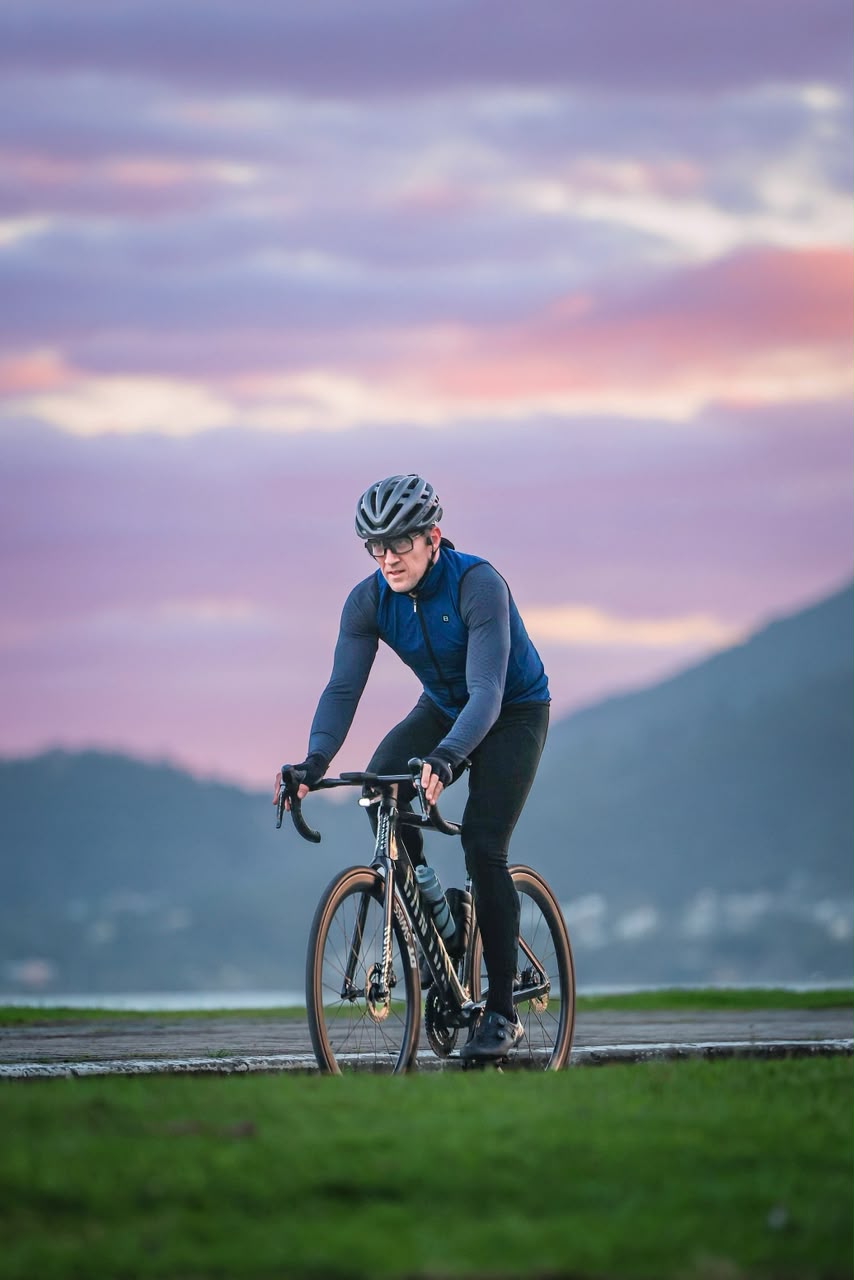
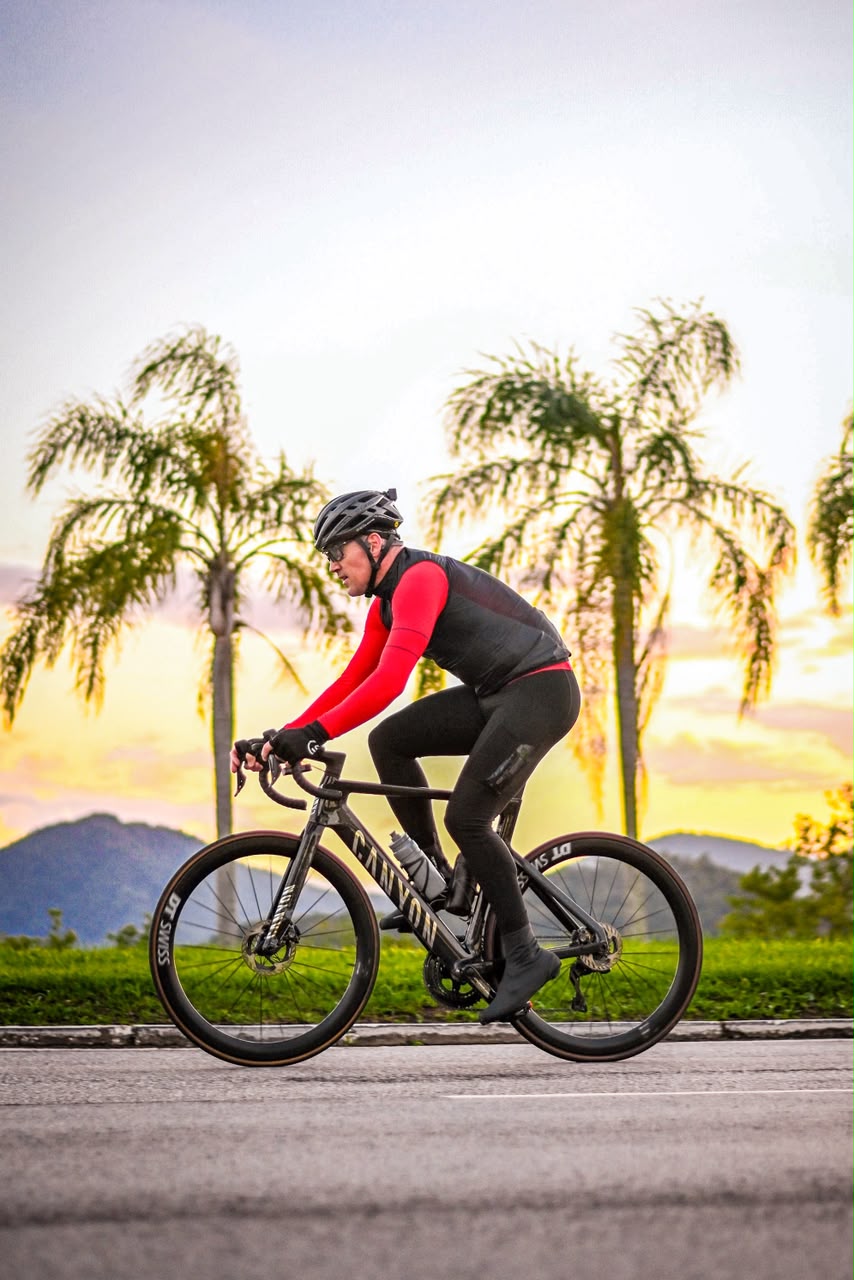
The two constants — medicine and the bicycle — also inspired these illustrations.
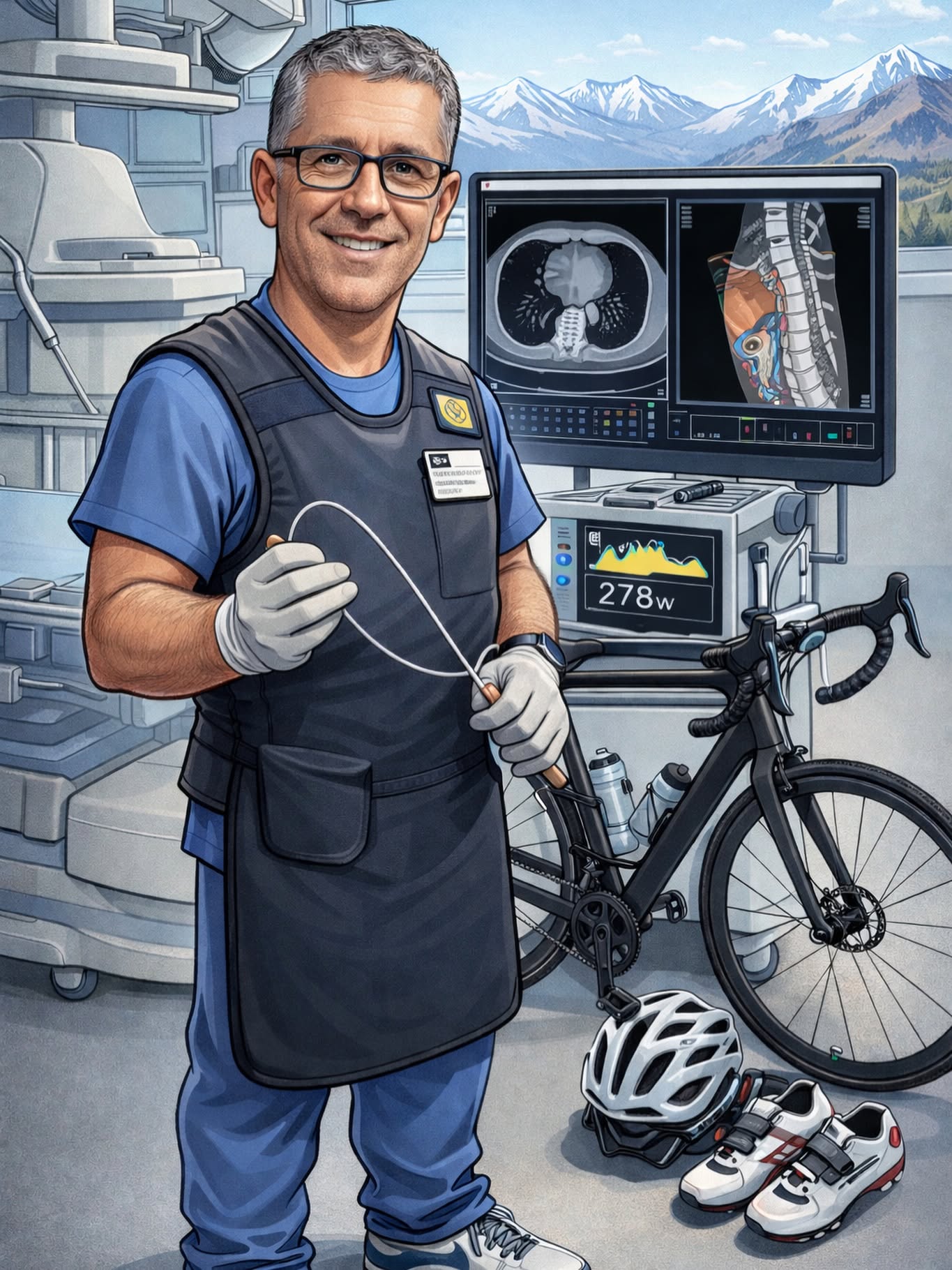
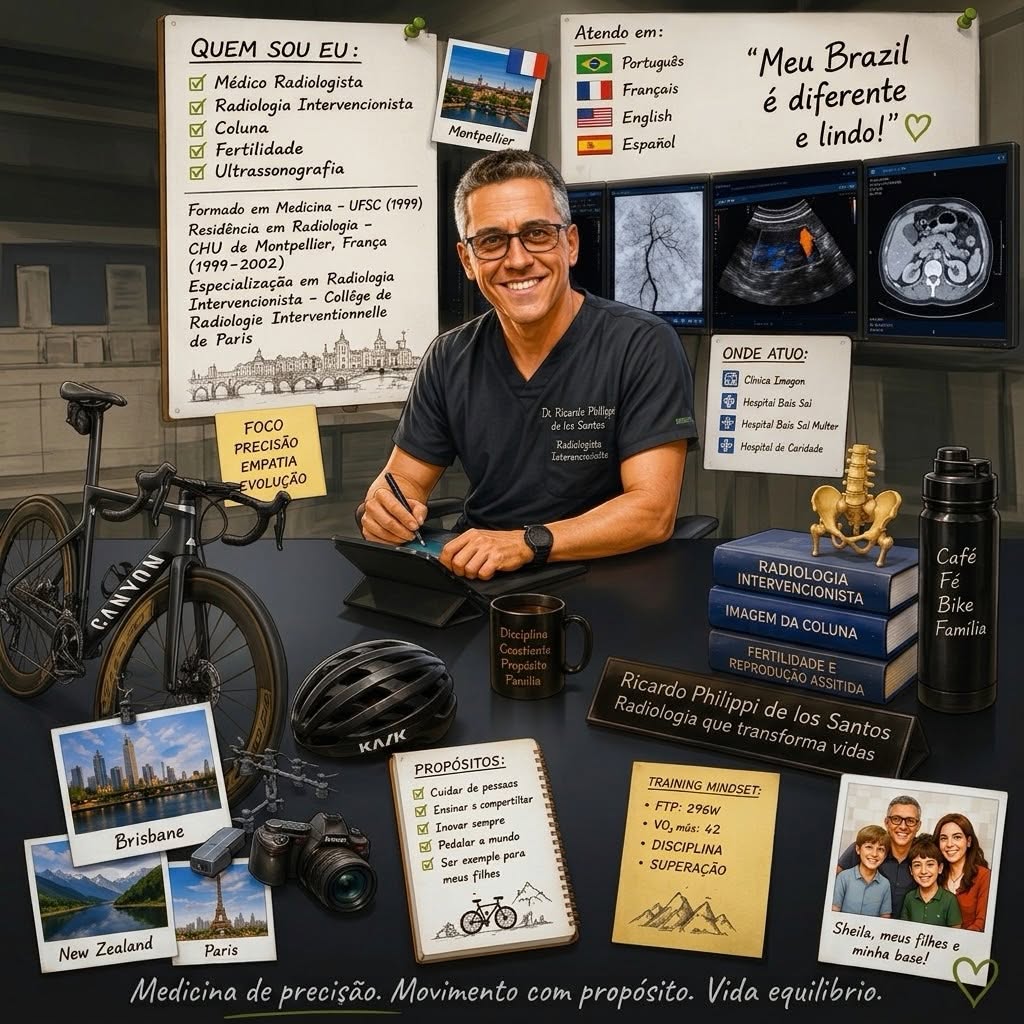
Illustrations created with the help of artificial intelligence.
Where I practise
Itacorubi, Florianópolis-SC
next to Hospital SOS Cardio
Saco Grande, Florianópolis-SC
88032-005
Centro, Florianópolis-SC
88020-210
Accepted plans
Health insurance plans accepted at Clínica Imagem and Hospital Baía Sul.
- AHESC
- Amil
- Angeloni
- Assefaz
- Assist Card
- Azimute Med
- Base Aérea
- Bradesco Saúde
- Capesesp
- CASSI
- CASSI Vida
- Celos
- CEPEN
- Cirurgia Segura
- CISAMREC
- Conceição
- Elo Saúde
- ePharma
- Facility
- FAHECE
- FUSEX
- GEAP
- HU
- Life Empresarial
- Marinha
- Plan Assiste
- Porto Saúde
- Postal Saúde
- Pró-Saúde
- Saúde Caixa
- SC Convênios Master
- SC Saúde
- Seconci
- SulAmérica
- Unimed
Discount cards and partner clinics — these offer special rates but are not health insurance plans:
- Abepom
- Acesso + Fácil
- AD Health
- AMO
- CAASC
- Clean Card
- Clin Card
- Clínica Fogaça
- CluDe
- CM Palhoça
- Doutor Saúde
- Dr. Exame
- Duarte Agassi
- Hello Med
- HPGS
- Mais Vida
- MH Saúde Plus
- Mult Saúde
- Pré Vida
- Pulse Life
- Rede Saúde
- Rede Sul
- RS Mundo
- Santa Saúde
- Saúde Card
- SaúdeSC
- SIDESC
- Sistema Cartão de Saúde
- SNS Card
- Sulimed
- Unifique
- Vai Card
- Vangarden
- Vida Cotidiana
- Vita Card
Based on the list of insurers accepted by Clínica Imagem and subject to change. Cover varies by plan and by examination — please confirm when booking on (48) 3229-7777 or check the official Clínica Imagem list.
Book your exam or procedure
Appointments are handled by Clínica Imagem, by phone or WhatsApp. Dr. Ricardo sees his patients in Portuguese, French, English and Spanish.